
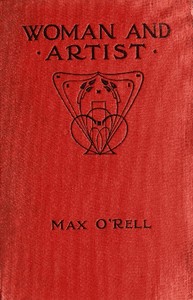
Woman and Artist by Max O'Rell
Published in 1894, 'Woman and Artist' is Max O'Rell's attempt to dissect the female character, specifically the woman with artistic or intellectual leanings. O'Rell, a French-born writer famous for his lighthearted and sometimes cheeky social commentary, structures the book as a series of observations and essays. He covers a wide range of topics: the ideal wife, the 'bluestocking' (an educated woman), the differences between French, English, and American women, and the perils and promises of female talent.
The Story
There's no traditional narrative here. Instead, O'Rell acts as a tour guide through the landscape of late-19th-century womanhood as he sees it. He shares anecdotes, draws comparisons between nationalities, and offers his prescriptions for a happy life—which usually involve women being charming, supportive, and not too competitive with men. He praises certain feminine virtues while expressing bafflement or gentle ridicule toward women who step outside prescribed roles, especially in the arts or intellectual pursuits. The 'story' is really the unfolding of one man's worldview, a mix of genuine admiration, paternalistic advice, and period-typical bias.
Why You Should Read It
You should read this not as a guide to truth, but as a historical artifact. O'Rell's writing is genuinely witty and readable, which makes his more outdated ideas even more striking. One moment he's offering a funny, sharp observation about society manners, and the next he's casually stating that a woman's greatest career is marriage. This contrast is the book's most compelling feature. It doesn't feel like a rant from a bitter critic; it feels like the cheerful, confident advice of a man who truly believes he's being helpful and insightful. Reading it gives you a raw, unfiltered sense of the everyday sexism that intelligent women of that time were up against, all wrapped in a charming, conversational package. It’s a reality check delivered with a smile.
Final Verdict
This book is perfect for readers interested in social history, gender studies, or anyone who enjoys primary sources that don't read like dusty textbooks. It's a fantastic pick for a book club looking for a lively discussion starter—you'll have plenty to talk about. Approach it with curiosity rather than agreement. You won't find modern feminism here, but you will find a clear, engaging, and sometimes startling window into the past. Just be prepared to have a strong reaction to nearly every page.
Barbara Wilson
8 months agoThe fonts used are very comfortable for long reading sessions.
Anthony Miller
1 year agoThanks for the recommendation.
Michael White
1 year agoA bit long but worth it.
Jessica Harris
1 year agoFast paced, good book.



Charles Robinson
1 year agoLoved it.